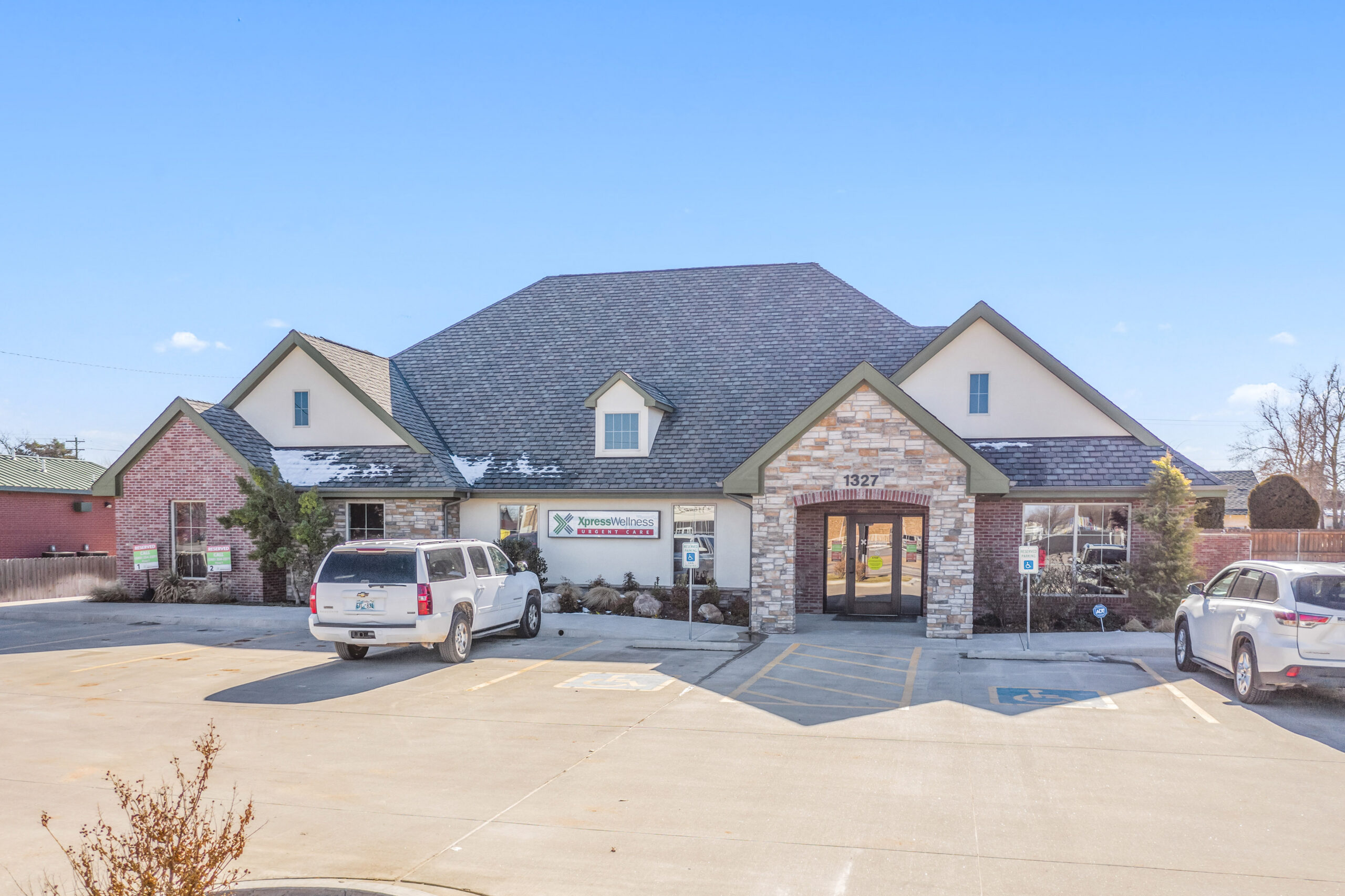
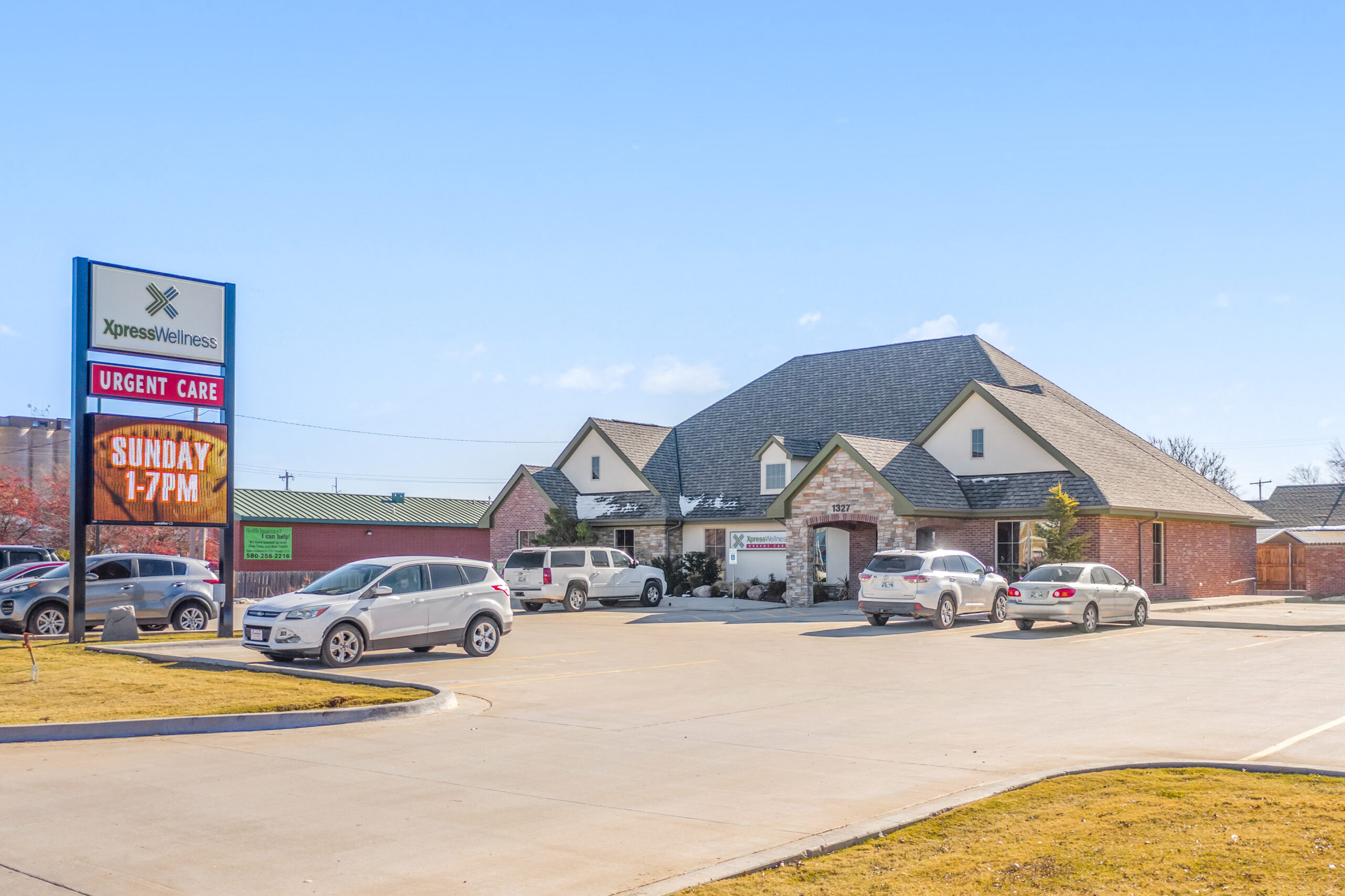
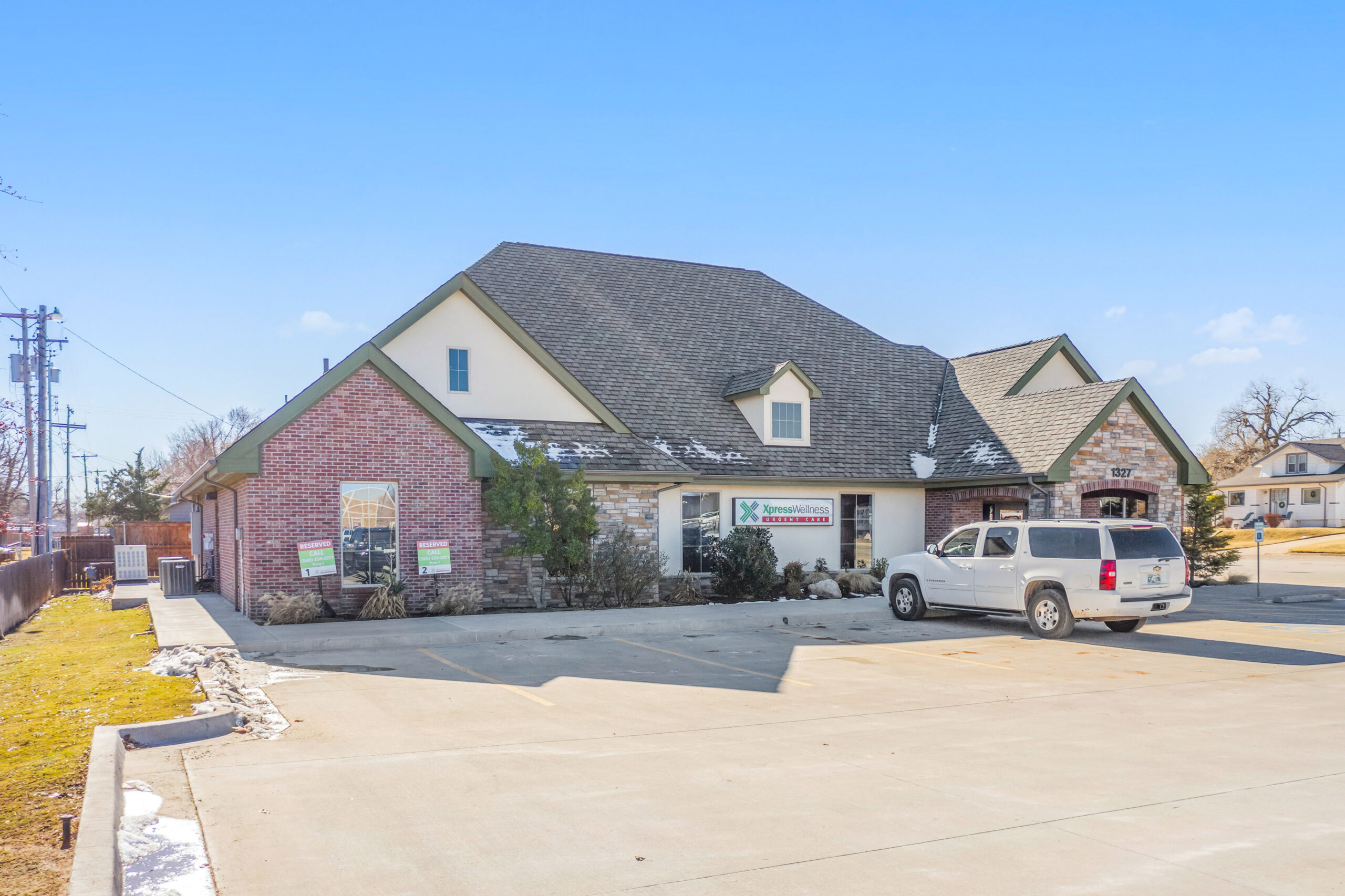
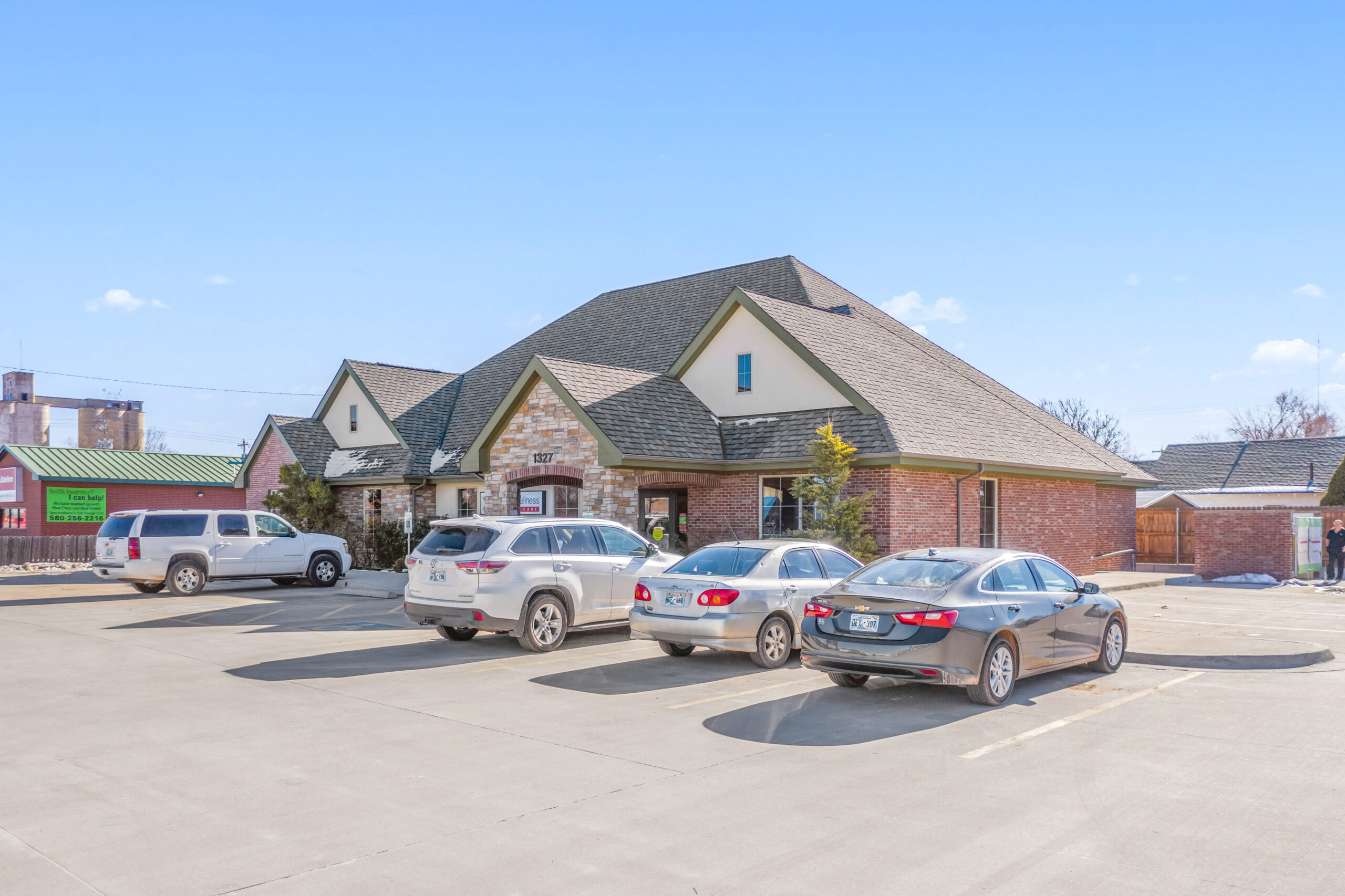
11+ Years of Lease Term Remaining with Built-In Rent Escalations
– Over 11 years of remaining base lease term provides long-duration cash flow visibility.
– Limited landlord responsibilities under a net lease enhance passivity and reduce operating risk.
– Structured rent increases of 10% every 5 years help protect against inflation and improve income over time.
Credit-Strengthened Tenant via Strategic Acquisition by Goldman Sachs Alternatives
– Xpress Wellness was acquired by Goldman Sachs Alternatives in 2024, backing the platform with substantial capital and strategic growth resources from one of the world’s leading alternative investment firms.
– This acquisition underscores investor confidence and positions the tenant for accelerated footprint expansion into underserved markets.
Compelling Healthcare Market Demand & Growth Dynamics
– The urgent care sector is expanding as patients increasingly prefer more convenient, accessible, and cost-effective care compared to traditional settings, fueling rising patient volumes and utilization.
– U.S. urgent care market revenue is projected to continue growing robustly, with estimates showing the industry scaling toward ~$55B+ by 2030.
– Globally, the market is expected to grow at a ~5%+ CAGR through the next decade, reinforcing long-term secular demand for urgent care services.
Resilient & Recession-Resistant Healthcare Real Estate
– Medical and healthcare-related real estate is widely recognized as a defensive, recession-resilient asset class due to essential service demand regardless of economic cycles.
– Urgent care facilities are less sensitive to e-commerce or office market headwinds compared to traditional retail and office sectors and benefit from steady outpatient demand growth and an aging population.
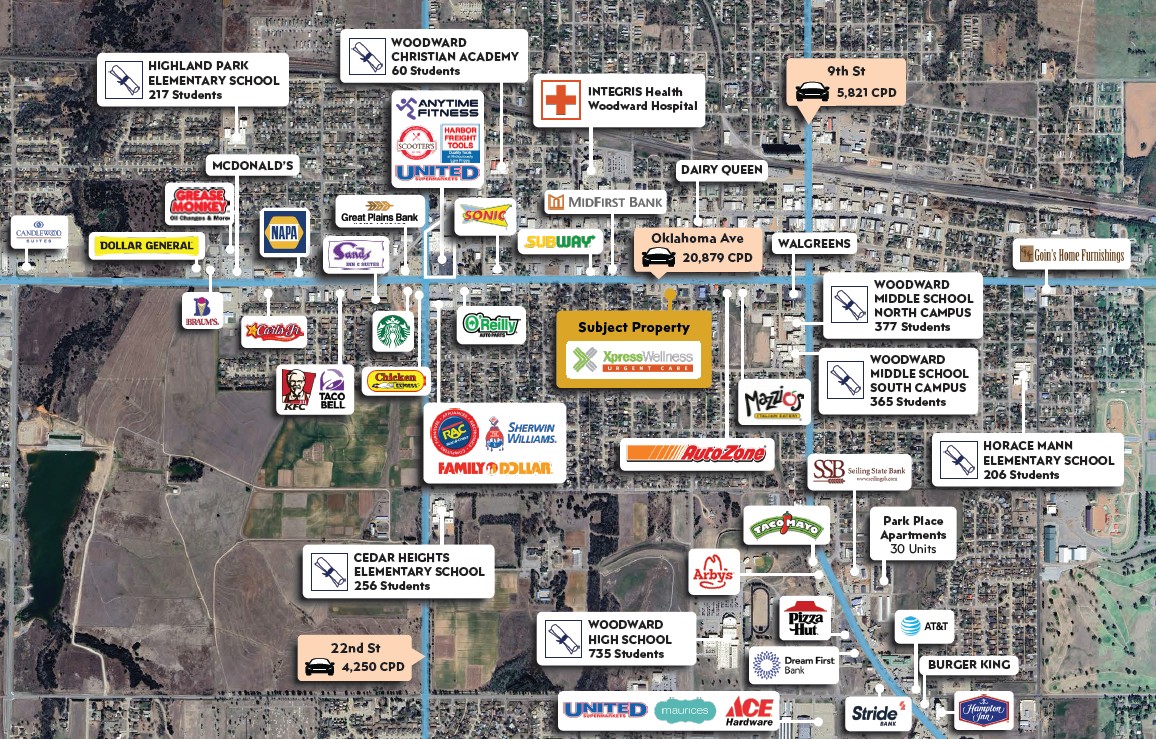
Strategic Positioning in Underserved and Rural Healthcare Markets
– Xpress Wellness has strategically grown a network of clinics focused on rural and underserved communities (OK, KS, TX), a segment with strong demand due to primary care shortages and hospital closures.
– These markets often exhibit less competitive saturation and stable patient baselines, supporting sustained utilization and relevance.